The short answer
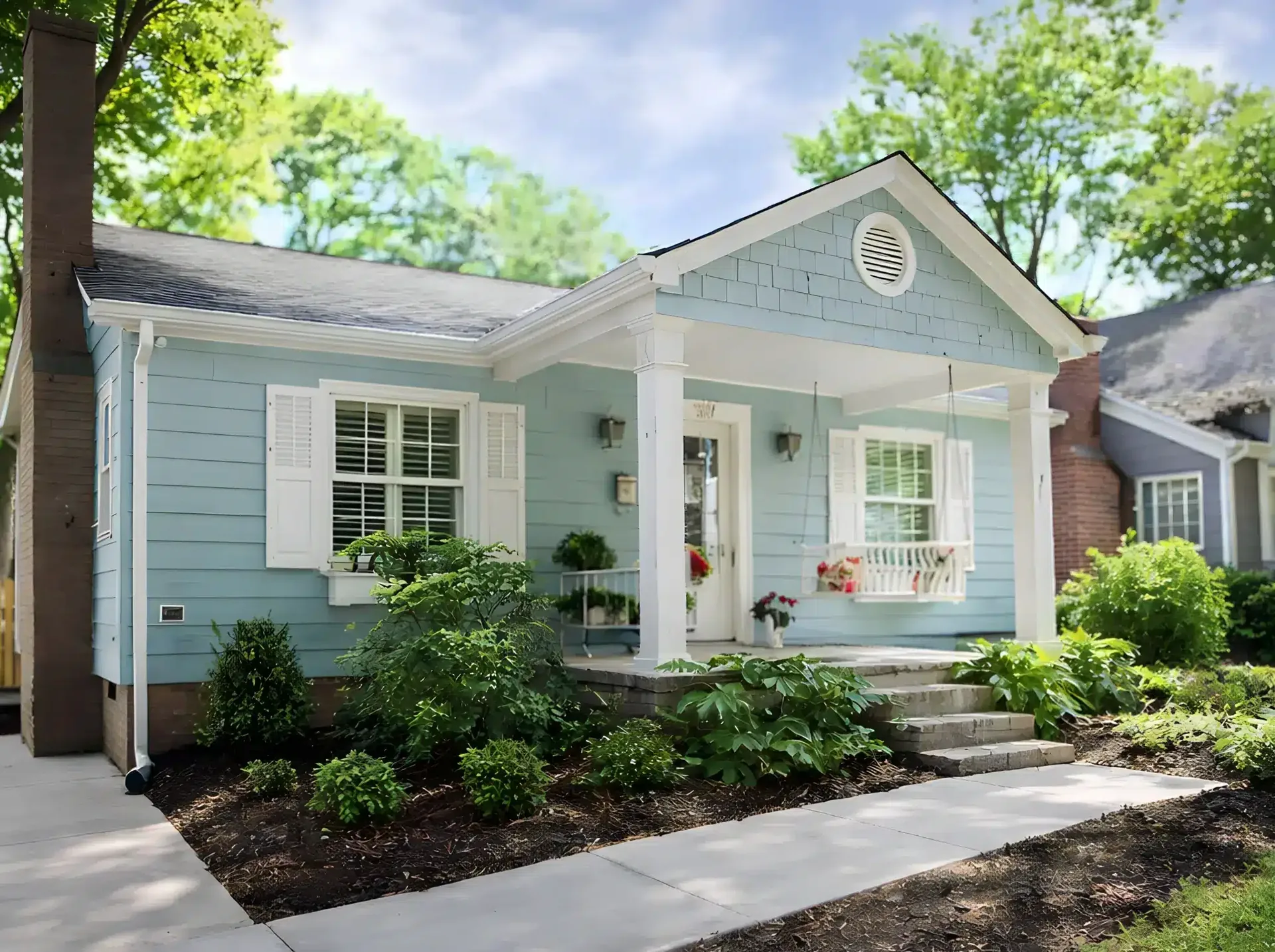
A fixer-upper can be the best way into a neighborhood you love — if you know what you’re buying. In Charlotte, the median single-family home is about 38 years old, so many good houses come with dated kitchens, tired bathrooms and aging systems. And you won’t be alone: research from the Home Improvement Research Institute found that 52% of homeowners make improvements in their first year, and 71% of buyers of older homes make changes within two years.
Cosmetic vs. costly
Let the inspector find it, let the contractor price it. Your home inspector tells you what’s wrong; a contractor walkthrough tells you what it costs to fix and upgrade — both during your due diligence.
Fixer-upper checklist for the showing
- Stains on ceilings and around tubs or toilets — signs of past or current leaks.
- The age of the HVAC unit — check the label on the outdoor unit.
- Soft spots in floors, especially in bathrooms.
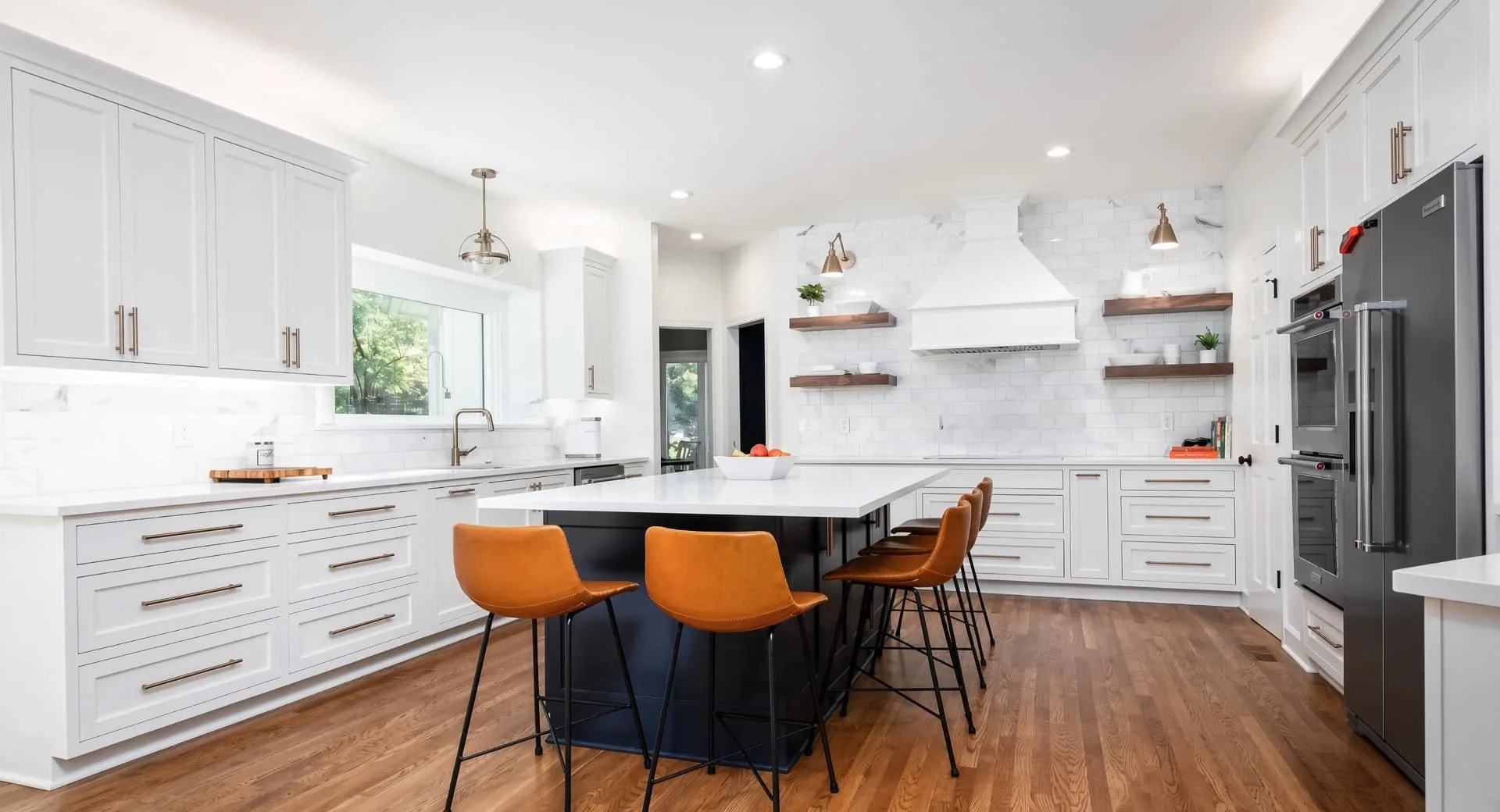
- Kitchen layout — refreshing cabinets in place costs far less than moving them.
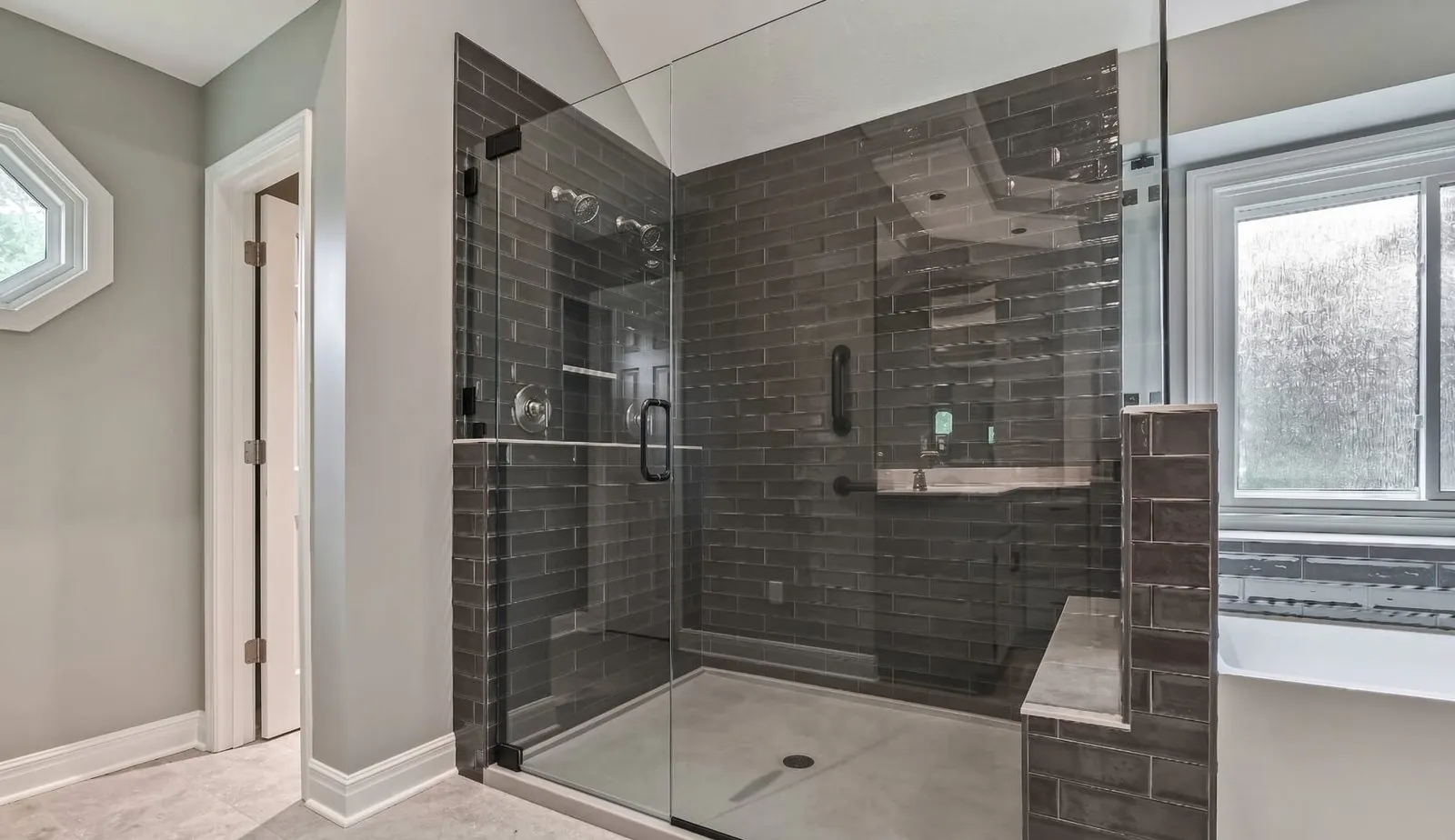
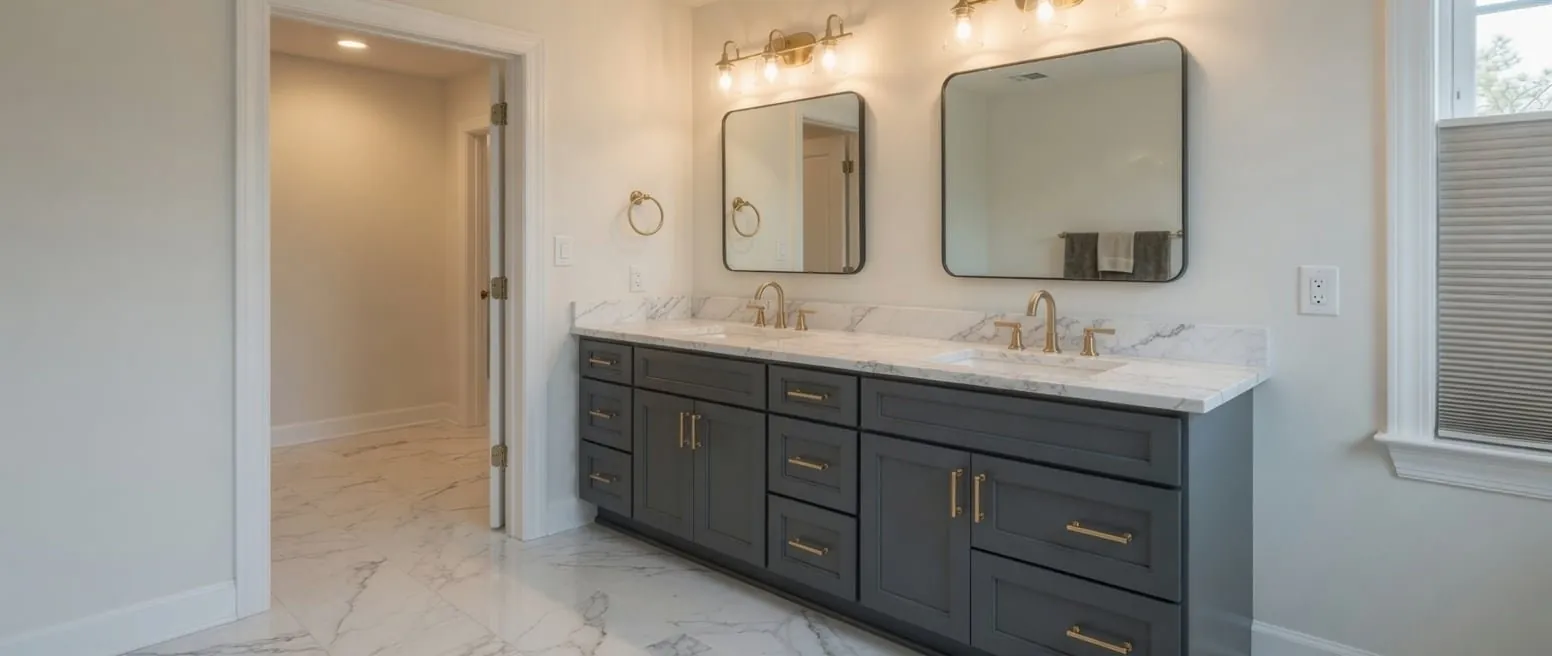
- Number and condition of bathrooms — often the biggest share of a renovation budget.
Found a house that needs work?
We’ll walk it with you during due diligence and send an itemized estimate within 48 hours.
How to budget
Start with the must-fix items, then the rooms you’ll use every day. Our published ranges help you plan: kitchen remodel cost, bathroom remodel cost and house painting cost. Then get the real number for the actual house before your due diligence ends.
Sources: ATTOM — Charlotte property data · HIRI study via Floor Trends.